About Us
A global movement to eliminate plastic pollution and protect all life on Earth.
Home / About Us
Our Mission
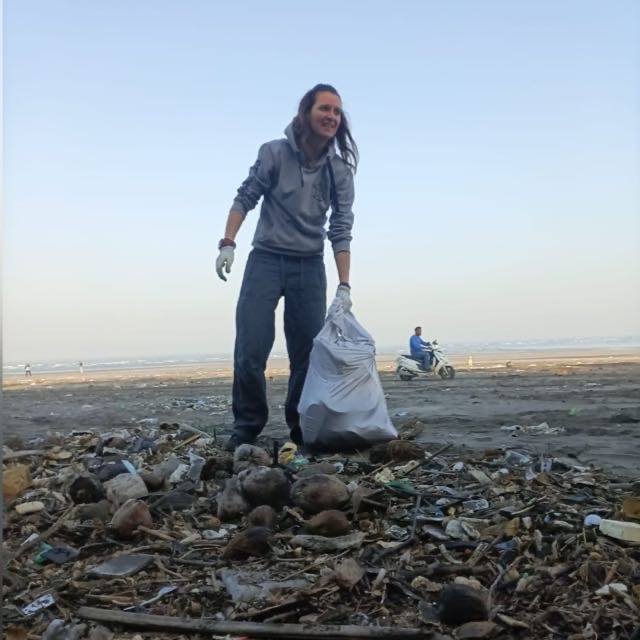
Shifting perspectives on plastic by empowering stakeholders toward resource-efficieny and optimised handling. Plastic Waste is our New Raw-Material
Our Vision
Enabling a future where societies and corporates rethink and reduce their plastic footprint, protect natural resources, and advance a sustainable circular economy.
Our Values
Are based on these principles:
1. Never stop learning from each other
2. Never stop trying
3. Unity of: Economy, Government and the Power of an Individual
01
Integrity
Transparency of global plastic waste cycles and what local waste management is actually about. #rethink design for a real #circulareconomy
02
Humbleness
Gratitude for what is really worse leaving for. The Environment does not depend on us. Humans depend on the environment. Raw material is the essence of our products. #lessismore
03
Accountability
Plastic
The Material
A plastic material is a synthetic polymer made from petrochemical or biological raw materials. Plastics can be divided into three main categories:
1. Thermoplastics: These plastics can be repeatedly shaped and deformed when heated. Examples include Polyethylene (PE), Polypropylene (PP), and Polyvinylchloride (PVC).
2. Thermosets: These plastics do not deform when heated again because they have a tightly networked molecular structure. Examples include epoxy resins, phenolic resins and melamine resins.
3. Elastomers are a subgroup of polymers that are characterized by their elastic properties. They can stretch under tension and return to their original shape after relief.
POLYMER: Plastic is primarily made up of polymers composed of long chains of molecules, monomers. These polymers are made from various chemical compounds that are obtained either from fossil raw materials (such as petroleum, natural gas or coal) or from renewable raw materials (such as plants).
The Recycling Process
Various recycling methods help to reduce the environmental impact of plastic waste and use resources more efficiently. Each method has its specific advantages and disadvantages, and the choice of the appropriate process depends on the type of plastic and the technologies available.
1. Mechanical recycling: Plastic waste is collected, sorted, cleaned, shredded and processed into new plastic products.
2. Chemical recycling: With this method, plastics (polymers) are broken down into their chemical components (monomers), which can then be synthesized again into new polymers.
3. Energetic recycling: Plastic waste is burned to generate energy in the form of electricity or heat.
4. Material recycling: Plastic waste is processed directly into new products without chemically changing the polymer structure.
5. Biological recycling (biodegradation): Use of microorganisms or enzymes to decompose biodegradable plastics.
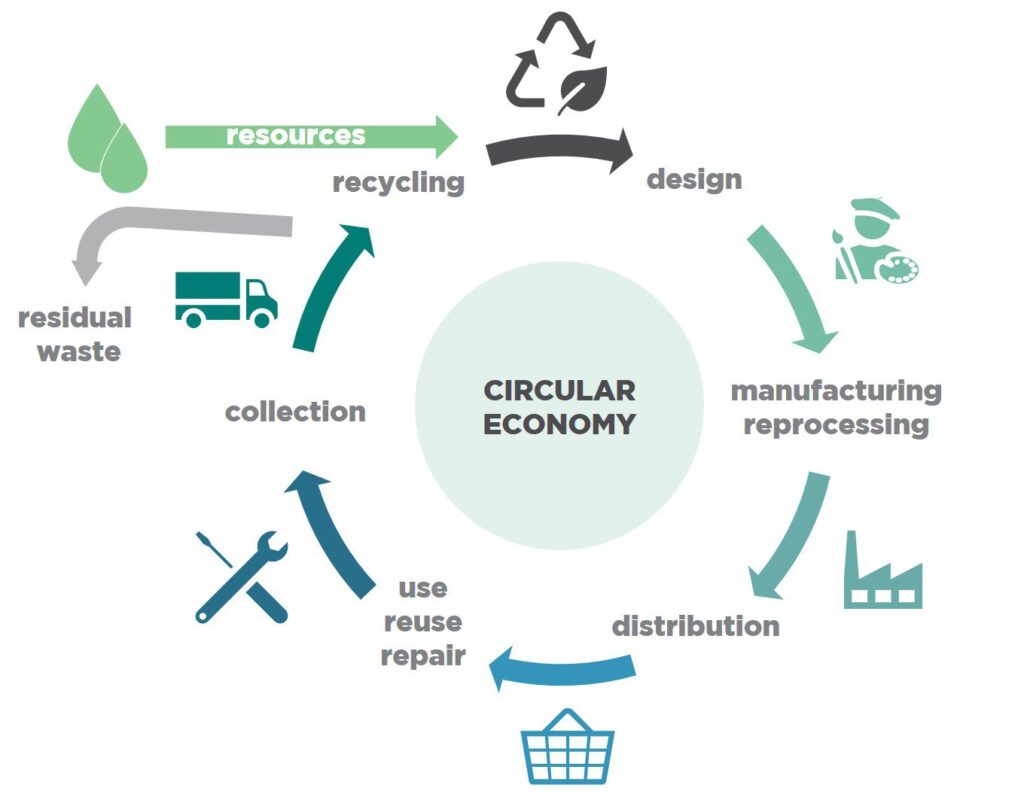
6.Circular economy approaches Integration of various recycling methods into a closed cycle in which plastic products are reused, recycled and reused.
The Problem
Plastic materials are used in a variety of applications including packaging, construction, automotive, electronics , healthcare, aviation and more due to their versatility, durability and cost-effective manufacturing. However, they have also caused environmental problems, particularly through the accumulation of plastic waste in the oceans and in landfills. There are therefore increasing efforts to develop bio-based and biodegradable plastics and to improve recycling processes.
Polymeres offer properties such as heat resistance, mechanical strength and chemical resistance that make them indispensable for specialized and demanding applications.
The global plastic waste situation: Plastic pollution is a global environmental problem caused by the massive accumulation of plastic waste and furthermore microplastics in nature, especially in the oceans. Plastic pollution threatens ecosystems, wildlife and ultimately human health.
Microplastics can enter the human body through food, water and air. The long-term health effects are not yet fully understood, but there is evidence of potential risks from chemical pollutants that adhere to microplastics.
Make an Impact
Future
Acknowledgement : Luxury is not the more, it is the priviledge of choice.
How do we want to shape our future, the future of humanity and Life itself on this planet?
If Human is the next big thing, we need to ask ourselves in which world do we want to live in? Where do we find purpose?
A world of equality or division? Of destruction or balance? Of illusion on social media or reality?
Goals
Our Goals
Resource Efficiency & Circularity Leadership
Drive innovation that transforms plastic waste into a high-value raw material, reducing reliance on virgin plastics and enabling fully circular product lifecycles.
Stakeholder Empowerment & Collaboration
Provide tools, knowledge, and partnerships that empower manufacturers, retailers, and communities to adopt more efficient plastic handling and recycling practices.
Environmental Impact Reduction
Continuously decrease plastic waste leakage into the environment while protecting natural resources and reducing overall plastic footprint across the value chain.
Market Transformation Through Awareness
Shift public and corporate perception of plastic—from disposable waste to a valuable resource—through education, transparency, and measurable sustainability results.
Scalable Circular Solutions & Technology
Develop scalable systems, technologies, and infrastructures that support smart collection, sorting, and reuse of plastics in diverse industrial sectors.
Compliance & Sustainability Advocacy
Support and influence regulatory and industry progress toward sustainable standards that accelerate the transition to a global circular plastic economy.