About Project Plastic Extinction

Project Plastic Extinction is a purpose-driven sustainable initiative that supports organizations in rethinking how plastic is used, valued, and managed across the value chain.
We take a systemic, psychological and mindful approach – addressing plastic not only as a pollution issue, but as a challenge shaped by design, incentives, infrastructure and human behavior as well as decision making.
By combining sustainability expertise, behavioral insight, and circular economy thinking, we enable businesses and institutions to reduce plastic leakage and implement practical, resoure-efficient solutions.
Our focus is on translating strategy into action-supporting the transition toward scalable, circular moduls, such as circular cities.

Why Plastic Extinction Exists

Plastic has become one of the most defining materials of modern life. It is efficient, durable and deeply embedded across industries, yet its misuse and poor end-of-life handling have created lasting environmental and systemic challenges.
Plastic Extinction was founded to help shift this reality. The initiative emerged from the belief that solving plastic pollution requires more than awareness alone. It requires a change in perception, stronger stakeholder collaboration and systems that treat plastic waste not simply as waste, but as a valuable raw material within a circular economy.
Our work is rooted in the idea that long-term environmental change happens when businesses, institutions and communities are given the tools, knowledge and models to act more responsibly and more effectively.

Mission, Vision and Values

Our Mission

To shift perspectives on plastic by empowering stakeholders toward resource efficiency, better handling practices and more circular systems. We believe plastic waste should be treated as a new raw material, not a disposable burden.

Our Vision

To enable a future where societies, institutions and corporates rethink and reduce their plastic footprint, protect natural resources and help advance a sustainable circular economy.

Our Values

Our Values

Integrity

Transparency of global plastic waste cycles and what local waste management is actually about. #rethink design for a real #circulareconomy

Humbleness

Gratitude for what is really worse leaving for. The Environment does not depend on us. Humans depend on the environment. Raw material is the essence of our products. #lessismore

Accountability

Authenticity about our own contribution to plastic pollution. No pretending that everything is gonna be ok without changing anything. #bethechange

Our Objectives

Project Plastic Extinction enables business as a psychological ThinkThank to align with the UN 2030 Agenda and the 17 sustainable development goals by addressing plastic material as a systemic sustainable challenge – unlocking market opportunities through circular, resource efficient solutions that respond to critical environmental risks that limits market growth. As part of the European Circular Plastic Alliance, we are aligned with the principles and agenda, that needs to be reshaped for European Business that are our economies and wealth backbone.

01

Climate Change (Emissions and Energy)

The depletion of the planet’s "sinks"—its capacity to absorb pollution and waste, particularly greenhouse gases. This is causing rising sea levels, ocean acidification, and extreme weather.

02

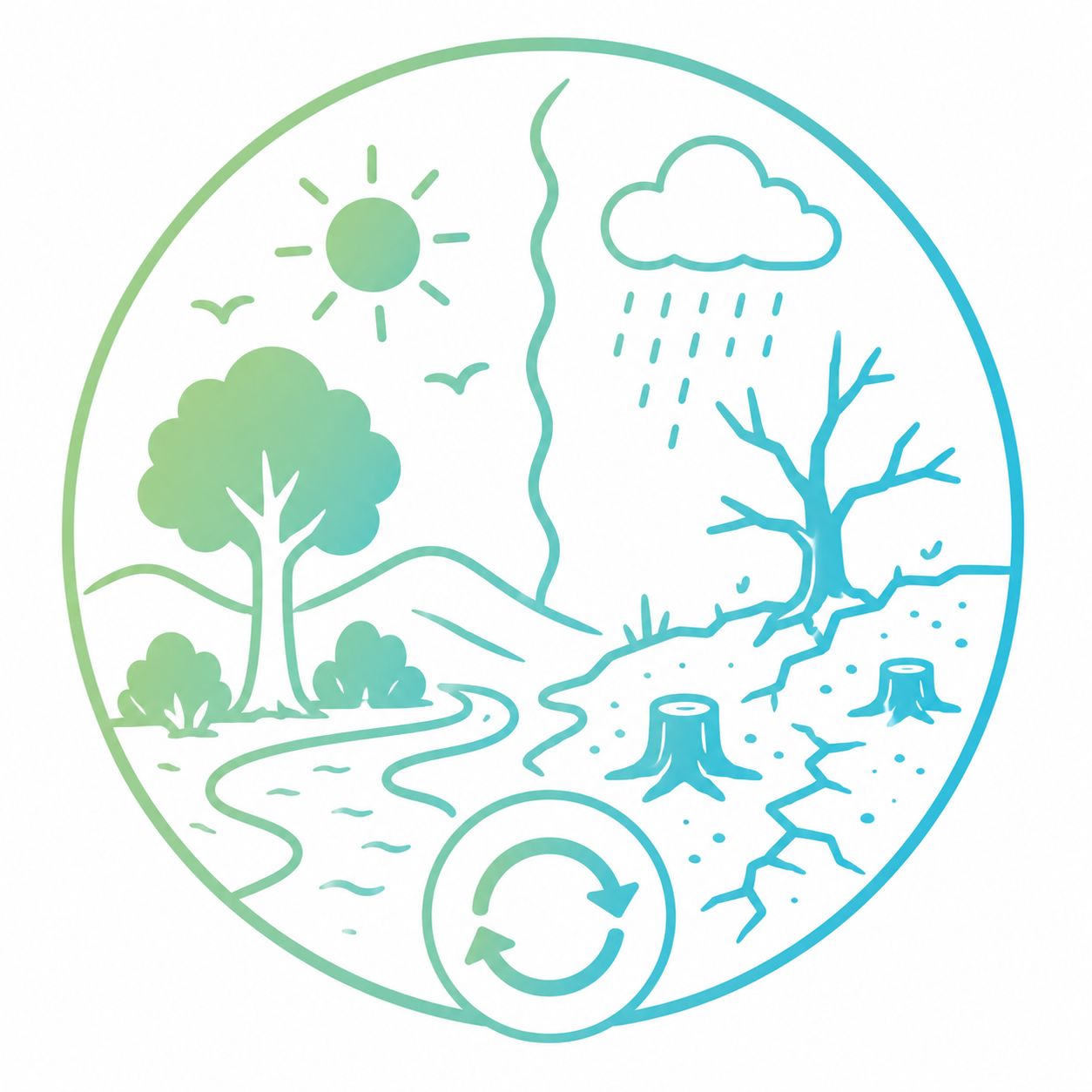
Loss of Biodiversity

The extinction of species due to habitat destruction, pollution, and climate change, which undermines the functioning of the natural world.

03

Resource Depletion (Nonrenewable Resources)

Continued industrial growth has depleted key resources, with raw materials running short in most simulated scenarios before 2100, leading to a collapse in industrial capacity.

04

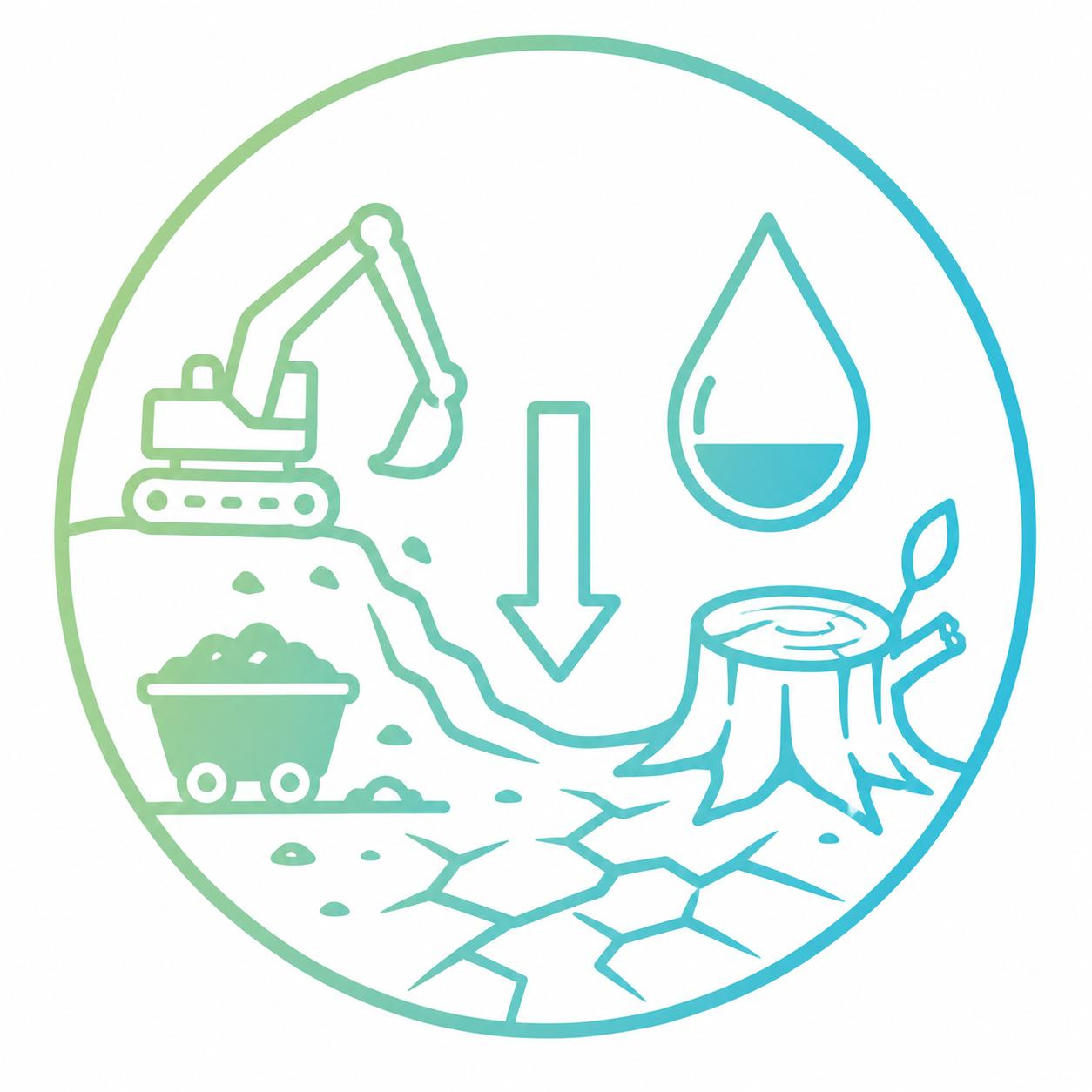
Degradation of Renewable Resources

A significant amount of global agricultural land has been degraded, and key fisheries have been fished at or beyond capacity, threatening food security and safe water supply.

05

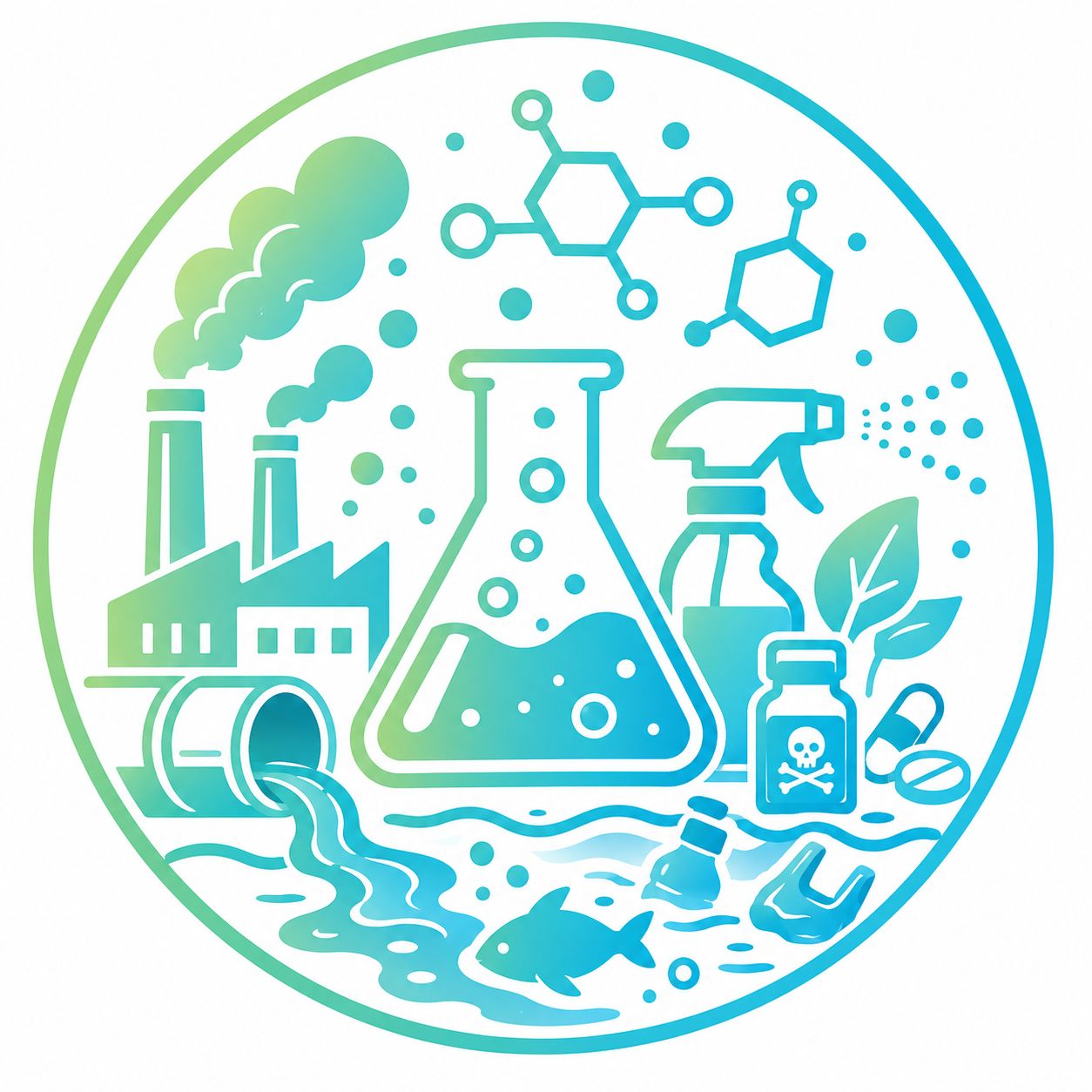
Novel Entities (Chemical Pollution)

Chemical pollution, including plastics, pesticides, and other synthetic chemicals, has exceeded the "safe operating space" of the planetary boundary, creating long-term risks for human health and ecosystems through food, air and water supply systems.

Our Approach

What makes Plastic Extinction distinct is its ability to connect mindset, material and model.
We do not look at plastic only as a pollution issue. We look at it as a systems issue influenced by design choices, human behaviour, infrastructure, incentives and cross-sector responsibility. Our work combines strategic thinking with grounded action to help stakeholders understand the challenge more deeply, align on practical goals and activate circular solutions that work in real contexts.
This approach is especially relevant for organisations that want to move beyond one-off awareness campaigns and begin building more accountable, collaborative and circular ways of working.

Founder - Ricarda Redekar

Project Plastic Extinction was founded by Ricarda Redeker (M.A. Work & Organizational Psychology, B.A. Business Psychology) in 2021, whose background combines psychological behavioral science, international recruitment, and sustainability-driven project development. With professional experience across Europe, India, Pakistan, Turkey, and the United States, she brings a global perspective shaped by work with corporates, institutions, and public-sector initiatives.
Her expertise lies in analysing human behavior, enabling stakeholder engagement, and driving systemic intercultural change. Through Project Plastic Extinction, she integrates psychological behavioral insight and circular economy thinking to advance practical, scalable solutions—particularly at city and ecosystem level—enabling businesses to reduce plastic pollution and strengthen long-term resource efficiency by questioning and redefining business decisions.

Our Journey So Far

2021

Research and expert interviews across Germany, the Netherlands, Italy, Greece and Turkey, including waste management systems, recycled consumer products, segregation practices and international plastic-waste realities.

2022

Local clean-up and environmental awareness engagement in Germany, with growing involvement in plastic-related education and public dialogue.

2023

Circular economy project exploration in India, including recycled-material applications and product thinking.

2024

Material testing and industry-level dialogue in India around recycled materials and how they compare with virgin alternatives.

2025

Educational lectures and academic engagement in India, including work with universities in Mumbai and Pune on social transformation and individual impact.
Stakeholders we engage

Our work is relevant to organisations and stakeholders who recognise that plastic is not only an environmental issue but also an operational, reputational, and strategic one.
Whether the need is awareness, stakeholder engagement, strategic dialogue or circular pilot development, Plastic Extinction helps create more informed and actionable pathways forward.

Let’s Build More Responsible Plastic Systems

Plastic challenges are complex, but meaningful change becomes possible when awareness, collaboration and practical action come together. Plastic Extinction works with organisations that want to rethink materials more responsibly, strengthen circular practices and create more lasting environmental impact.